
The growth in cities today is accelerating faster than ever, and along with this growth comes increasing strain on business operations and parking infrastructure that customers rely on.
Traffic jams, increased operational expenses for parking facilities, environmental issues, and the amount of commercial space in urban areas all require more intelligent approaches to management. Every system in a city leads to overall efficiency, including the ones that are barely noticeable. Parking is one such system.
Ineffective or old-fashioned parking procedures not only cause traffic jams but also reduce revenue potential for parking operators and annoy customers and visitors alike. On the contrary, the latest digital tools can facilitate the movement of vehicles, make parking management easier, and give meaningful information to improve operational planning and decision-making.
As cities and parking businesses aim to become more organized and sustainable, better parking operations become necessary.
The following sections discuss the reasons why advanced parking payment systems are crucial for improving business efficiency and commercial performance.
1. Faster, Cashless Transactions Reduce Urban Congestion

Parking payment systems play a vital role in reducing unwanted wastage in parking places. When motorists take more time to get change or slow ticket vending machines, lines are formed at entrances and exits. This not only frustrates the customers but also lowers the turnover and efficiency of the parking operators.
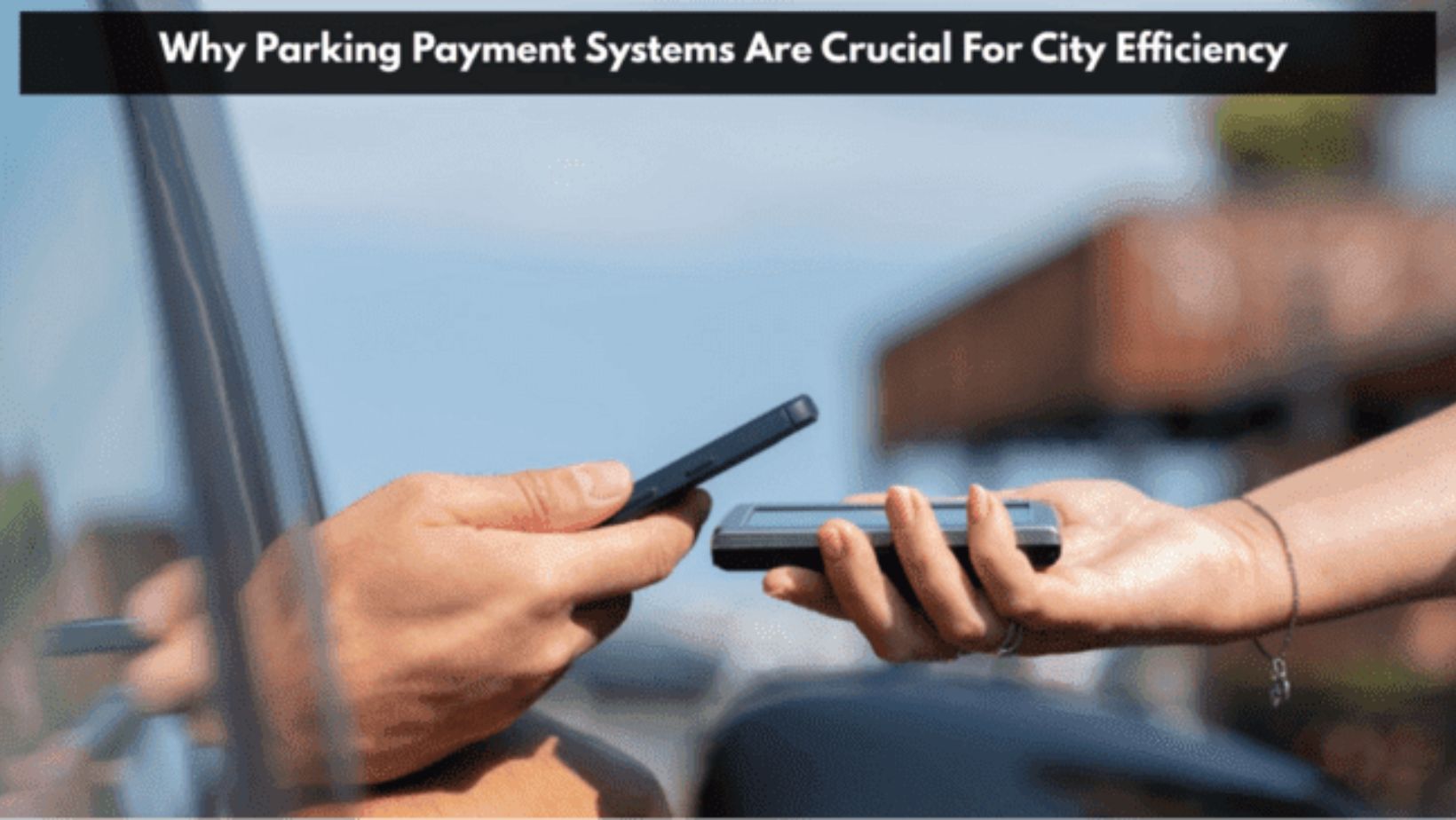
Contactless and digital payments make it possible to complete transactions within a few seconds. Drivers can use credit cards or mobile wallets and other cashless methods, and do not spend long durations in vehicles making payments.
As a result, vehicles get in and out of parking areas more quickly, enhancing space management and business efficiency. In addition, faster turnover will bring down the number of vehicles moving around in pursuit of a free parking lot. This reduces fuel and emissions and improves the customer experience. This ultimately benefits the business and traffic flow efficiency in the long run.
2. Automated Systems Lower Municipal Operational Burden
Traditional cash-based parking systems need frequent collection, counts, and handling by parking staff or attendants. These procedures require time, labor, and further administrative control. Where parking businesses rely on manual operations, costs increase, and efficiency decreases.
Nevertheless, automated and cashless systems eliminate most of these burdens. Payments are made digitally, and money is transferred safely without physical handling, minimizing risks related to theft, human error, and logistical issues.
Moreover, modern platforms frequently enable remote monitoring of parking facilities. Operators can detect technical problems, analyze transactions, and manage multiple locations through a single dashboard. Consequently, staff resources can be redirected to revenue optimization and customer service rather than routine maintenance.
3. Real-Time Payment Data Strengthens Revenue Integrity
For parking operators, effective payment systems are a key source of consistent revenue. There is a risk of inaccuracies and leakages when payment systems are not updated. Inconsistencies in cash handling, transactions, and compliance reduce the money available for business growth and operational improvements.
On the contrary, digital payment systems offer real-time monitoring of all transactions. Detailed reporting tools enable operators to track revenue trends, peak usage times, and payment compliance. This level of transparency increases financial accountability and decreases the risk of losses.
Also, data insights enable businesses to make informed pricing decisions. When accurate information is available, it is easy to adjust rates during high-demand periods or in congested areas. Therefore, operators can maximize revenue without inefficiency or customer dissatisfaction.
4. Frictionless Payments Increase Compliance and Turnover
When parking systems use old or complex payment systems, clients experience delays or inconvenience. Slow or confusing payment procedures may cause increased wait times, decreased parking space turnover, and decreased satisfaction rates. This has a direct effect on business performance and the capacity to serve a greater number of customers with ease.
Conversely, contemporary cashless and digital payment options make it more convenient for drivers. By providing various payment methods, including credit or debit cards, mobile wallets, or QR codes, transactions are completed quickly and in a smooth manner. This convenience enhances the overall customer experience and makes people use the parking facility over and over again.
Faster, smoother payments also increase space turnover, allowing more vehicles to be accommodated throughout the day. Higher turnover maximizes revenue opportunities and ensures that commercial areas maintain consistent foot traffic, benefiting businesses that depend on steady customer flow.
5. Data-Driven Parking Management Boosts Business Efficiency
Modern cities increasingly rely on data to guide decisions. Parking systems that collect usage statistics provide valuable insights into how different areas are utilized. Without such data, planning becomes reactive rather than strategic.
With digital payment infrastructure, municipalities can analyze occupancy trends, duration patterns, and high-demand zones. These insights help urban planners redesign traffic routes, improve signage, and allocate resources more effectively.
Furthermore, integrating parking data into broader mobility systems supports long-term development goals. Whether planning public transport expansions or redesigning commercial areas, accurate parking information plays a critical role. Therefore, intelligent payment systems become an essential component of smart city ecosystems.
Conclusion
Modern parking payment solutions play a vital role in business efficiency, as they help operators to control their spaces and offer the customer experience intended to be seamless. These systems enhance the turnover of space and the level of revenue generated by speeding up transactions, decreasing the workload of operations, and providing real-time data.
Moreover, frictionless payments result in greater customer satisfaction, increased repeat use, and aid in improved decision-making. As parking operators and commercial facilities, modern cashless payment solutions are necessary to efficiently operate, maximize profits, and have a competitive advantage in the current bustling urban setting.