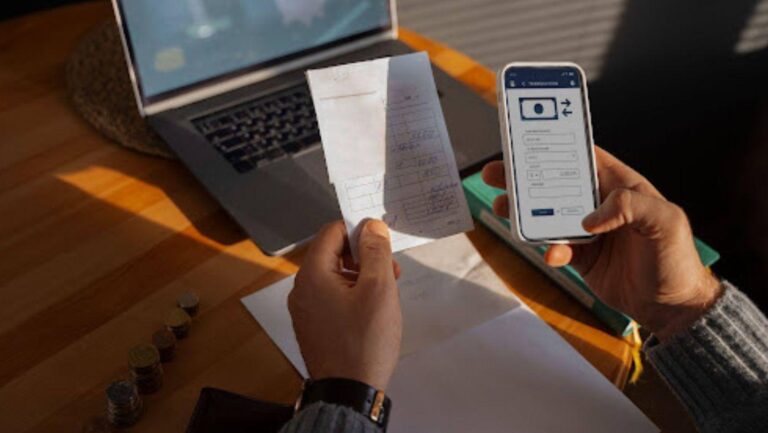

Travel expenses are easier to track today than ever before. And yet, they spiral out of control just as quickly. In 2026, German travelers have access to a truly powerful toolkit: apps, payment cards, and digital wallets that do far more than just log transactions. The best tools actively intervene in spending behavior, detect hidden fees before they occur, and help stretch a travel budget further than most would expect.
Why Classic On-the-Go Budgeting Fails
The old approach—withdrawing cash at the airport and collecting receipts in a wallet—rarely holds up on a real trip. Currency conversion fees, dynamic pricing at foreign ATMs, and the psychological blur of paying in foreign currencies often undermine a budget sneakily, without one noticing immediately.
German travelers, in particular, often underestimate daily variable expenses once accommodation and transport are booked. A 2024 survey by a German consumer research institute found that unplanned costs for food, activities, and local mobility account for an average of nearly 35% of total travel expenses. It is precisely in this gap between the planned and actual budget that modern digital tools have their greatest impact.
Digital Tools That Make the Difference
Budget-tracking apps have evolved significantly in recent years. The most effective solutions in 2026 connect directly to bank accounts via open banking infrastructure, automatically categorize transactions, and sound the alarm as daily limits approach. For travelers who need to keep an eye on expenses in multiple currencies, this type of real-time transparency completely takes the guesswork out of the process.
Which app is the right one often depends less on brand awareness than on functional depth. Those who want to split their budget into separate “pots”—transport, food, activities, and emergencies—benefit particularly from tools that combine envelope budgeting with automatic bank imports. Anyone who understands how financial apps function for smarter money management in the context of personal finance planning can easily transfer the same logic to travel-specific budgets. The principles are directly transferable: categorize, set limits, and track in real-time.
Open banking has also made it easier to make unexpected costs visible early on. For travelers within Europe, tools that securely link account data and automate budget categories offer a noticeable advantage, especially when expenses are incurred across multiple countries and currencies. Comparing the “Best Budget Apps of 2026” offers a helpful framework to evaluate features such as automatic categorization, tracking of recurring expenses, and budget alerts. When traveling, these aspects are even more important than at home.
Planning Transport Correctly Before Departure
Transport is usually the largest single item in any travel budget and, at the same time, the one most influenced by early planning. Flights, intercity trains, and local public transport passes react significantly to booking timing. For European routes, booking six to eight weeks in advance consistently leads to lower prices than last-minute purchases.
However, when it comes to ground transport at the destination, the calculation has shifted. Monthly and weekly rental models are gaining popularity because more travelers are rethinking fixed routes and preferring flexibility. Engaging with cost-effective options for travel mobility has long since become a real budgeting strategy, not just a comfort decision. This is especially true for travelers visiting multiple cities or exploring rural regions where public transport is limited.
Crypto, Digital Wallets, and the Payment Layer
Crypto-linked debit cards have evolved from a gimmick into a practical tool for a segment of frequent travelers. Cards fed from a crypto wallet that convert at the point of sale can completely eliminate foreign currency fees on certain networks. For travelers who already hold Bitcoin or stablecoins, this creates a low-friction payment method that bypasses classic currency conversion via banks.
The growing role of Bitcoin in digital payments in 2026 goes far beyond travel. Digital entertainment platforms have adopted crypto payment infrastructures on a large scale, including online casino environments, where crypto deposits and withdrawals are standard. German players exploring digital leisure offerings will find that platforms with a 600% casino bonus often support crypto funding alongside classic payment methods. This shows how broadly digital wallets are already integrated into consumer-facing platforms. The intersection between travel finance tools and payment infrastructure in the entertainment sector illustrates how a single digital wallet can serve multiple spending contexts simultaneously.
Bringing It All Together
The most effective travel budgets in 2026 do not rely on discipline alone. They leverage tools that automate the tedious parts: tracking, alerts, and categorization. This ensures that spending decisions are made based on complete information rather than rough estimates.
Habits that demonstrably improve results for travel budgets:
- Set daily limits per category before departure, not after arrival.
- Use a fee-free card for all payments in foreign currency.
- Review expenses every evening rather than at the end of the trip.
- Keep a small emergency buffer outside of the main budget.
German travelers who combine real-time tracking apps with the right payment cards and a clear budget structure before the trip report financial surprises much less frequently. And they have more room for the experiences that truly matter. The tools are there. The difference between good and bad travel budgeting in 2026 is primarily a question of which ones are used consistently.