
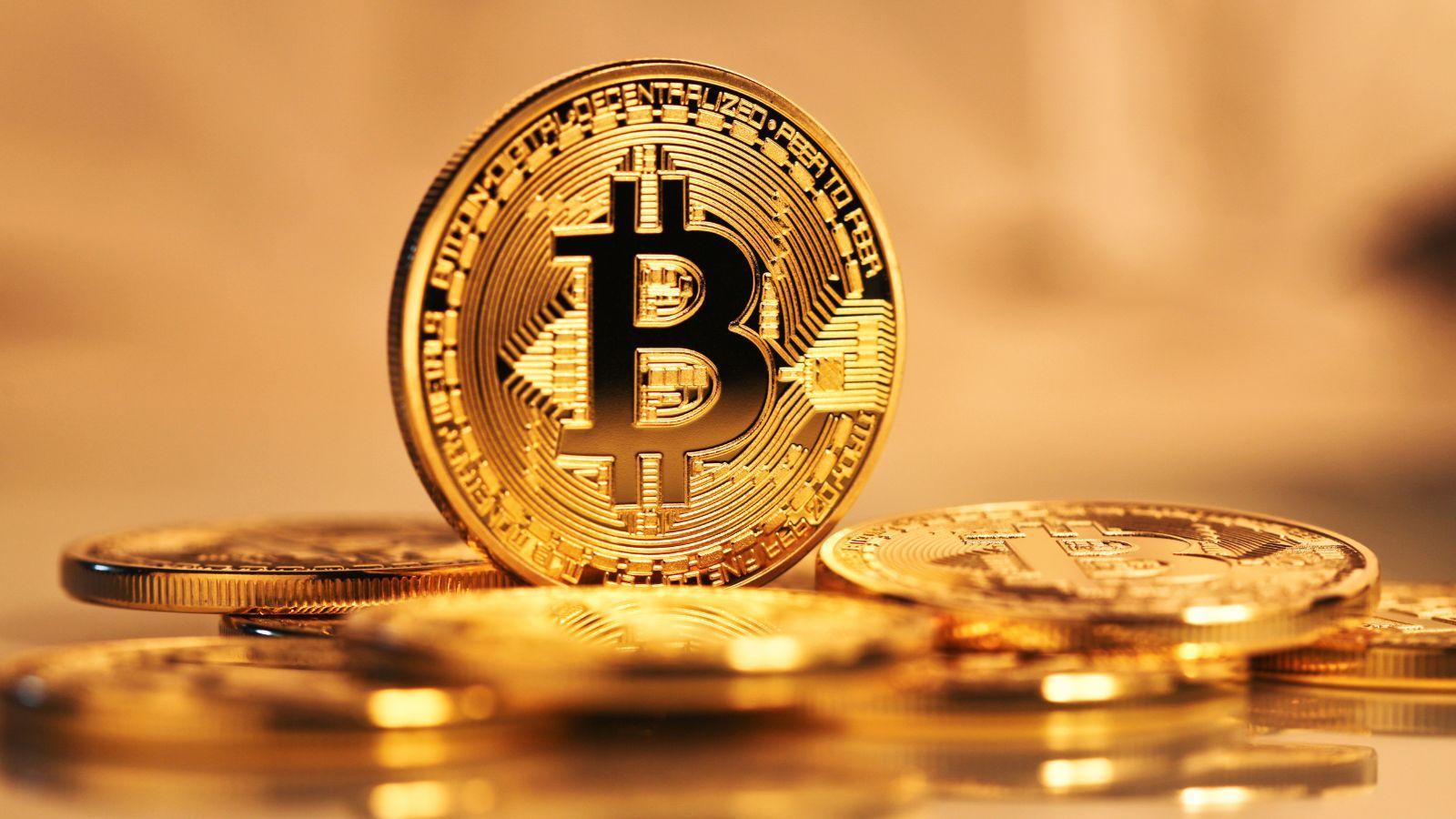
Cryptocurrency has come a long way from being a niche asset class discussed mainly in online forums. Over the past decade, digital assets have attracted everyone from retail traders to large institutions, generating substantial gains along the way. Yet by 2026, a noticeable shift is taking place. Many investors who once focused heavily on crypto are now broadening their portfolios to include other asset classes.
This doesn’t mean investors are abandoning crypto altogether. In fact, institutional interest remains strong. According to EY’s 2025 Institutional Investor Digital Assets Survey, 60% of institutional investors expect to increase their digital-asset allocations, while 73% already hold altcoins beyond Bitcoin and Ethereum. At the same time, investors are recognizing that concentration in any single asset class can create unnecessary risk.
Years of price swings, regulatory scrutiny, inflation concerns, and geopolitical uncertainty have encouraged investors to think differently about portfolio construction. As a result, many are exploring private credit, real estate, infrastructure, commodities, and other alternative investments that may offer diversification benefits.
The Evolution of Investor Sentiment Toward Crypto
Investor attitudes toward crypto have matured considerably.
In earlier years, enthusiasm often centered on the possibility of rapid returns. Stories of overnight gains fueled speculation, and many investors allocated significant portions of their portfolios to digital assets. However, repeated boom-and-bust cycles have reminded investors that volatility remains a defining characteristic of the crypto market.
Even as adoption grows, wealth managers and financial advisors continue to view crypto as only one component of a broader investment strategy. Grayscale’s 2026 Digital Asset Outlook notes that less than 0.5% of U.S. advised wealth is currently allocated to crypto assets. This figure highlights an important reality: many professional investors see digital assets as a complementary holding rather than a portfolio centerpiece.
Regulatory developments have also influenced sentiment. Governments worldwide continue refining frameworks for taxation, compliance, custody, and investor protection. While greater regulation may eventually support broader adoption, uncertainty surrounding future policies has encouraged investors to diversify rather than rely too heavily on one sector.
Why Diversification Is Receiving More Attention
Diversification is hardly a new concept. Yet the reasons behind it have become more compelling in recent years.
According to BlackRock’s 2026 Trends Shaping Investment Products, persistent inflation and ongoing market volatility are pushing investors to seek additional sources of return and portfolio stability. The report also points to a declining reliability of traditional stock-and-bond relationships, which has led many investors to reconsider how they build portfolios.
Historically, investors often relied on a combination of stocks and bonds to balance risk and reward. When stocks declined, bonds frequently provided stability. Recent market conditions, however, have demonstrated that these relationships do not always behave as expected.
As a result, investors are increasingly looking beyond conventional allocations and exploring a wider range of opportunities.
Real Estate Remains a Popular Diversification Tool
Real estate continues to attract investors seeking income, appreciation potential, and diversification.
Property investments can generate cash flow through rental income while also benefiting from long-term appreciation. Additionally, real estate often responds differently to economic conditions than stocks or cryptocurrencies.
Many investors who are new to private-market opportunities begin by researching reputable operators and sponsors. Learning about various top real estate investment firms can provide insight into different strategies, including multifamily housing, industrial properties, self-storage facilities, and commercial developments.
Real estate also offers exposure to tangible assets. For some investors, owning interests in physical properties provides a sense of stability that purely digital investments may not offer.
The Appeal of Private Real Estate
Private real estate investments can offer several advantages:
- Potential income generation
- Lower correlation with public markets
- Access to specialized sectors
- Inflation-sensitive revenue streams
- Opportunities for long-term wealth building
Of course, these investments may also involve reduced liquidity and longer holding periods, making proper due diligence important.
Private Credit Is Gaining Momentum
Another area attracting attention is private credit.
Private credit generally involves lending capital directly to businesses outside traditional banking channels. Investors receive interest payments while companies gain access to financing.
Several factors have fueled interest in this sector. Higher interest rates have improved yield opportunities, while tighter bank lending standards have created additional demand for alternative financing solutions.
Private credit has historically been dominated by institutions, but retail access continues to expand through funds and professionally managed investment vehicles.
For investors accustomed to crypto’s dramatic price fluctuations, private credit may offer a different risk-return profile. While no investment is risk-free, many private-credit strategies prioritize income generation over capital appreciation.
Infrastructure Investments Offer Long-Term Potential
Infrastructure is another category receiving renewed interest in 2026.
These investments may include:
- Energy projects
- Transportation systems
- Data centers
- Utilities
- Telecommunications networks
Infrastructure assets often generate revenue through long-term contracts or regulated pricing structures. This can create relatively predictable cash flows compared to more volatile asset classes.
The growing demand for electricity, digital connectivity, and transportation upgrades has also strengthened the investment case for many infrastructure projects.
Investors seeking diversification often appreciate that infrastructure performance can be driven by economic and demographic trends that differ from those affecting cryptocurrencies or technology stocks.
Commodities Are Returning to Investor Portfolios
Inflation concerns have revived interest in commodities.
Assets such as gold, silver, copper, agricultural products, and energy resources have historically been used as inflation hedges. While commodity prices can be volatile, they often respond differently to macroeconomic events than financial assets.
For example, rising inflation may negatively affect certain asset classes while supporting commodity prices. This diversification benefit has attracted investors looking to reduce overall portfolio concentration.
Gold, in particular, continues to maintain a unique role in many portfolios. Despite the growth of digital assets, many investors still view precious metals as a store of value during periods of uncertainty.
Alternative Investments Are Becoming More Accessible
One reason diversification beyond crypto is accelerating is improved access.
A decade ago, many alternative investments were available only to large institutions or high-net-worth individuals. Today, technology platforms, exchange-traded products, and specialized funds have expanded access for a broader range of investors.
This trend is evident in private markets. According to the 2025 Private Markets Investor Survey from Brown Brothers Harriman, 79% of institutional investors and 77% of wealth investors reported that geopolitical uncertainty increased their interest in private markets. Additionally, 34% plan to invest in ETFs that provide private-market exposure.
As investment vehicles evolve, investors have more options than ever before when constructing diversified portfolios.
Crypto Still Has a Role
Diversification beyond crypto does not necessarily imply reduced confidence in digital assets.
Institutional participation continues to expand. Grayscale’s outlook highlights growing integration of crypto into model portfolios and wealth-management strategies. Meanwhile, ETFs and regulated investment products have made access easier for traditional investors.
The hedge fund industry also remains active in the sector. According to reporting on the Alternative Investment Management Association and PwC Global Hedge Fund Survey, 55% of hedge funds now invest in cryptocurrencies, up from 47% the previous year. Participating funds reported an average crypto allocation of approximately 7% of assets under management.
These figures suggest that professional investors continue to see value in digital assets. The difference is that many now view crypto as one piece of a diversified portfolio rather than the sole driver of returns.
Building a More Balanced Portfolio
So how are investors approaching diversification in 2026?
Rather than attempting to predict which single asset class will outperform, many are focusing on balance.
A diversified portfolio may include exposure to:
- Public equities
- Fixed income
- Cryptocurrency
- Real estate
- Private credit
- Infrastructure
- Commodities
- Cash reserves
The goal is not to eliminate risk. Every investment carries risk. Instead, diversification seeks to reduce dependence on any one market, sector, or economic outcome.
Investors are also paying closer attention to factors such as liquidity needs, time horizons, income requirements, and personal risk tolerance. A retiree’s portfolio will naturally differ from that of a younger investor with a longer investment timeline.
Questions Investors Should Ask
Before adding alternative investments, investors may benefit from asking:
- How much liquidity do I need?
- What level of volatility can I tolerate?
- Am I seeking income, growth, or both?
- How does this investment fit with my existing holdings?
- What risks could affect performance?
These questions can help investors make more informed allocation decisions.
Conclusion
The investment environment of 2026 looks very different from the one that fueled crypto’s early rise. Digital assets remain an important and growing segment of global markets, but investors are becoming more thoughtful about concentration risk and long-term portfolio construction.
Persistent inflation, market volatility, geopolitical uncertainty, and evolving regulations have encouraged many investors to broaden their horizons. Private credit, real estate, infrastructure, commodities, and other alternative assets are attracting attention because they may offer diversification benefits and different sources of return.
Crypto still has a place in many portfolios, and institutional adoption continues to expand. Yet the broader lesson emerging in 2026 is that successful investing often involves balancing opportunities across multiple asset classes rather than relying too heavily on any single investment theme. For both retail and sophisticated investors, diversification remains one of the most practical ways to navigate an uncertain future while pursuing long-term financial goals.