
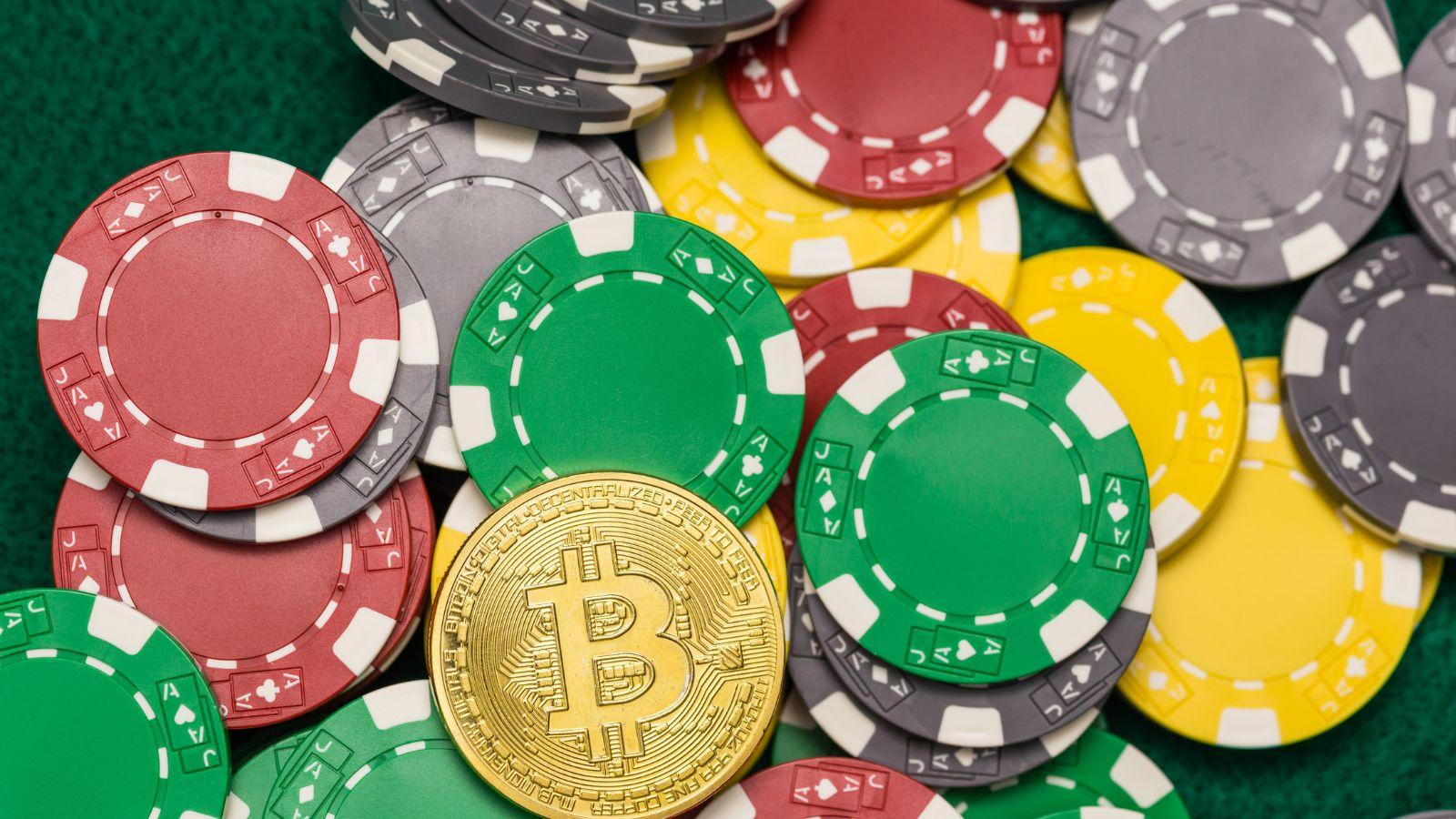
I’ve been watching the iGaming industry go through something that feels less like an upgrade and more like a full identity shift. Players aren’t just passive consumers anymore — they’re becoming actual stakeholders in the platforms they play on. For years, online gambling ran entirely on centralized fiat payment rails, and honestly, that created friction everywhere: slow deposits, slower withdrawals, endless verification loops. But now blockchain tech, digital assets, and gamified platforms are colliding, and the economic rules of the whole ecosystem are getting rewritten in real time. Once you understand this shift, you start to see that placing a bet is just one small piece of a much bigger, decentralized virtual economy.
How Is Cryptocurrency Transforming the iGaming Financial Model?
Cryptocurrency is rewriting the iGaming financial model by swapping out traditional fiat banking gateways for decentralized blockchain networks. That means instant settlements, borderless access, and — this is the part I find genuinely interesting — a fundamental change in how risk and liquidity get managed across digital platforms.
When I use cryptocurrency (Bitcoin, Ethereum, Stablecoins) for online casinos or sports betting, I skip the banking delays that have plagued this sector forever. Major brands like BetMGM, DraftKings, and FanDuel are watching this payment revolution closely, mostly because user demand for faster transactions just keeps climbing. If you’re exploring modern platforms yourself, checking detailed reviews on sites like VegasHunter can help you spot operators that actually support these decentralized gateways well — not every platform does it competently. By building in digital assets, platforms cut down dramatically on the overhead tied to cross-border currency conversion and old-school anti-fraud verification.
Why Decentralized Payments Benefit Both Operators and Players
For operators, bringing crypto in through White Label or Turnkey solutions — providers like DSTGAMING offer these — cuts payment processing fees and cuts down chargeback fraud too. For players like me, the upside is just as real. Smart contracts handle automated, instant payouts with no manual approval delay hanging over you.
And then there’s provably fair gaming: algorithms that let anyone independently verify the randomness of a bet directly on the blockchain. No blind trust in the house required — you can actually check. Still, there’s a trade-off worth being honest about. Adopting decentralized payments means you’re now fully responsible for your own wallet security. Nobody’s calling customer support to reverse a mistake here.
The Tokenized Casino Matrix: How Players Are Becoming Stakeholders
What I call the Tokenized Casino Matrix is really a conceptual framework — players moving from passive users into active stakeholders through tokenized assets and platform governance rights. It flips the whole relationship from purely transactional to something closer to ownership-driven community.
Instead of just depositing funds and hoping for the best, modern iGaming ecosystems use asset tokenization to give players an actual stake in the platform’s success. This builds hybrid casino experiences where traditional gambling mechanics start intersecting with digital ownership. Whether that means owning a piece of a virtual slot machine or earning yield from a liquidity pool, you’re now part of something bigger than a single bet.
Beyond Bitcoin: The Rise of Platform-Specific Utility Tokens
Bitcoin’s fine as a standard medium of exchange. But the real innovation? Platform-specific utility tokens. These proprietary tokens fuel microtransactions and govern the internal virtual economies of each platform. Look at how broad Gaming ETFs (like ESPO) have performed — the market clearly rewards ecosystems that retain users through ownership, not just flashy graphics.
Holding these tokens unlocks exclusive live dealer rooms, gets you into VIP gamification tiers, and in some cases even lets you vote on new platform features. That last part still surprises me a bit — players actually having a say in product decisions.
Why Are Virtual Economies Outpacing Traditional Monetization?
Virtual economies are outpacing traditional monetization models because they’ve replaced the one-time deposit with continuous engagement loops — digital scarcity, in-app purchases, user-owned assets, the whole package. That creates revenue streams that are sustainable and multifaceted, going well beyond standard house-edge profits.
Industry giants — 888 Holdings Plc, Entain Plc, Betsson AB, Flutter Entertainment Plc — clearly recognize that pure chance isn’t enough anymore to hold onto the modern user. A sharp gamification strategy, powered by Artificial Intelligence (AI), personalizes each user’s journey. Meanwhile HTML5 mobile gaming keeps these complex economies running smoothly no matter what device you’re on. And then Virtual Reality (VR) and Augmented Reality (AR) are closing the remaining gap, turning what used to be a flat digital interface into something closer to an immersive world.
Play-to-Earn and the Monetization of Digital Assets
Play-to-earn mechanics let players monetize their time by accumulating Non-Fungible Tokens (NFTs) and in-game currencies. Sounds great on paper. But navigating this space comes with real pitfalls — ones I’ve seen trip people up more than once.
- Mistake #1: Treating play-to-earn as guaranteed income. Why people do it: Hype around crypto gaming suggests easy profits. Consequence: Players risk capital on volatile assets that can crash. Correction: Approach play-to-earn primarily as digital entertainment with a potential financial upside, not a salary replacement.
- Mistake #2: Ignoring blockchain gas fees. Why people do it: Focusing only on the microtransaction cost of the item. Consequence: Network fees can sometimes exceed the value of the digital assets being transferred. Correction: Always calculate transaction overhead on the native blockchain before moving assets.
Navigating the Grey Zone: What Are the Regulatory Hurdles for Crypto Casinos?
The core regulatory hurdle for crypto casinos comes down to reconciling anonymous decentralized finance protocols with strict anti-money laundering (AML) rules and consumer protection mandates. Jurisdictions are still figuring out how to classify digital assets inside existing gambling frameworks — and that process is messier than most people realize.
Staying compliant while offering decentralized services is genuinely a massive challenge, maybe one of the biggest facing this space in 2026. Authorities like the UK Gambling Commission (UKGC) and the European Gaming & Betting Association (EGBA) require strict identity checks, and that clashes conceptually with the whole ethos of anonymous blockchain gambling. On top of that, region-specific laws — Germany’s Interstate Treaty on Gambling (GlüNeuRStV), for instance — impose strict deposit limits that are hard to enforce on decentralized smart contracts by design.
So where does this leave things? I think the future of the iGaming industry belongs to whichever platforms manage to balance innovative player engagement with uncompromising regulatory adherence. Get that balance wrong, and it doesn’t matter how clever the token economy is.