
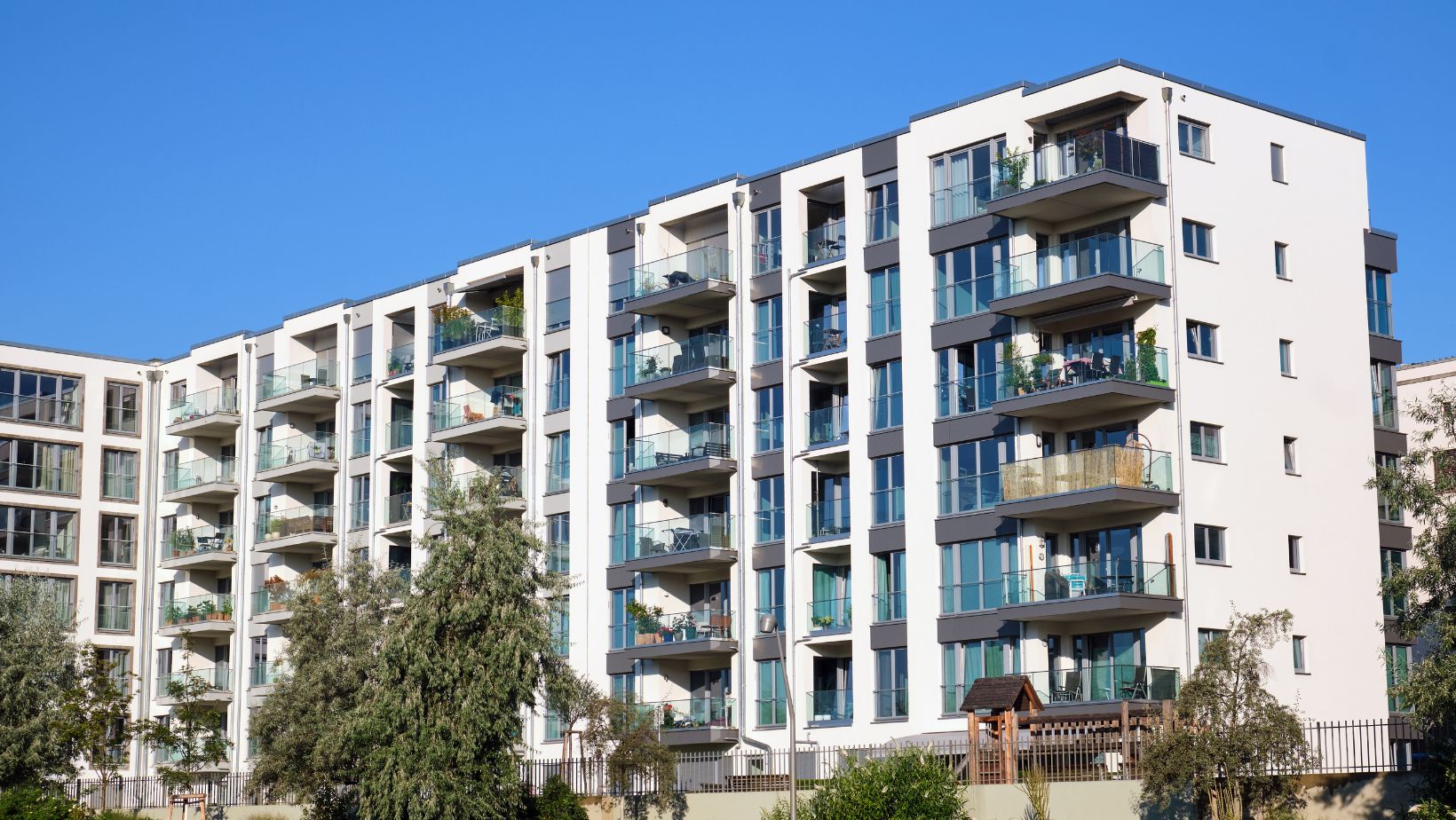
London’s rental market has always moved in curious cycles—fluctuating between hotspots of desirability and pockets of stagnation. In recent years, however, there’s been a noticeable shift in where demand is intensifying, and it doesn’t always follow traditional expectations. The reasons behind these trends are layered—economic pressures, lifestyle changes, and the ever-present specter of affordability all play their part. But if there’s one thing that’s clear, it’s this: renters are no longer chasing just the central postcodes.
The Unraveling of the “Zone 1 or Bust” Mentality
There was a time when proximity to the City or the West End was a non-negotiable for many London renters. The logic was simple—shorter commutes, vibrant neighborhoods, and, if you were lucky, a postcode with a bit of cachet. But that equation has started to fray, particularly post-2020.
Hybrid working models have allowed tenants to look further afield without sacrificing job opportunities or social lives. Paired with rising rental costs in prime areas—some of the sharpest increases seen in over a decade—this has led to an expansion of renter interest into areas that were previously considered “commuter belt at best.” Now, they’re hotspots in their own right.
Growth Beyond the Core: Where Are Renters Really Looking?
Here’s where things get interesting. A number of outer boroughs and lesser-known zones have seen a measurable uptick in tenant interest. And it’s not just anecdotal. Reports and rental indexes from late 2024 and early 2025 have highlighted sharp increases in average rent, tenancy duration, and property viewings in areas like Barking and Dagenham, Waltham Forest, and Hounslow.
These aren’t your classic “destination” boroughs, and that’s exactly why they’re growing. The infrastructure investments, new developments, and comparatively affordable rents have helped turn these areas into realistic, even desirable, options for younger professionals and small families. If you’re tracking current demand in London suburbs, it’s hard to miss the surge in interest here.
What’s more, these aren’t short-term blips. The rise in demand seems to be sustaining, not fading, even as central London reopens and transport links normalize. That’s a signal worth paying attention to.
Amenities Are the New Postcode
It used to be that tenants chose based on how far a flat was from a Tube stop, or how quickly they could get to Soho on a Friday night. That still matters, of course, but it’s taken a backseat to a new priority: quality of life.

This shift means that local green space, access to supermarkets, good broadband, and modern interiors are winning out over the glamor of a central postcode. For example, a two-bed with a private balcony in Zone 4, near a good park and reliable Overground service, might now outcompete a cramped Zone 1 studio in a heritage building.
That’s a meaningful change. It implies a more long-term perspective from renters—people planning to stay longer, set up a home, maybe even put down roots. And that kind of renter—stable, consistent, practical—is music to the ears of buy-to-let investors.
Families Are (Quietly) Reshaping the Map
Another undercurrent driving this demand shift is the increasing presence of families in the rental market. They’ve always been there, of course, but rising house prices have delayed homeownership timelines for many, even well into their 30s or 40s.
What that means is more families renting—and they’re not interested in the usual high-rise flats in buzzy areas. They’re looking for school catchment zones, safe streets, and space to breathe. Boroughs like Croydon, Bromley, and Enfield are absorbing much of this demand. As the needs of tenants evolve, so too does the geography of desirability.
Investors Are Following Suit—But Cautiously
Naturally, where tenants go, investors tend to follow. But there’s still caution in the air. With interest rates in flux and regulation tightening, many landlords are looking to mitigate risk wherever possible. That makes these rising-demand suburbs all the more appealing. Lower entry costs, rising rental yields, and a more predictable tenant demographic all contribute to the appeal.

But it’s not just about yields. Increasingly, it’s about sustainability—can this property attract tenants for the next ten years, not just the next twelve months? That question is pushing investment towards those outer zones that offer flexibility, livability, and a hint of long-term upside.
Rethinking the Rental Heatmap
The London rental market isn’t unraveling—it’s just redistributing itself. Central London will always have its draw, but it’s no longer the only game in town. The new growth corridors are forming not in the shadow of the Gherkin, but along Overground lines, near new-build estates, and just beyond the traditional boundary lines of the capital.
Understanding where demand is truly rising means shedding a few outdated assumptions and tuning in to the quieter signals—longer tenancy durations, rising searches in lesser-known boroughs, and the everyday needs of real people navigating a tough housing climate.
The suburbs aren’t a fallback anymore. They’re the main event.