

Many people sit longer than they used to. Work happens at desks, in cars, and on couches. Stress builds fast, and time for self-care often shrinks to whatever fits between dinner and bedtime.
A modern massage chair is designed for this reality. “Modern” does not just mean a sleek look. It usually means full-body coverage (from neck to feet), customizable programs, body-sensing features, heat options, and app or remote controls that make the chair easy to use every day.
This article breaks down practical, realistic benefits, who tends to get the most value from a chair, and what to look for so your choice feels grounded, not hyped.
Everyday physical comfort benefits you can feel right away
A good massage chair can make your body feel “less stuck.” That matters after long hours of sitting, a shift on your feet, or a hard workout. The most noticeable changes are often simple: you feel looser, warmer, and more at ease.
It’s important to keep expectations realistic. A chair is not a medical device, and it can’t replace care from a licensed clinician. Still, many people find it may help with common soreness and day-to-day tightness, especially when used with a steady routine.
Helps ease muscle tension from sitting, standing, or workouts
Modern chairs use a mix of kneading, rolling, tapping, and compression to work through tight areas. Think of it like someone gently wringing out a twisted towel, steady pressure helps the fabric relax. With your body, that pressure can soften the “guarding” you feel in overworked muscles.
Common hot spots are predictable: neck, shoulders, lower back, hips, calves, and feet. A chair that covers these zones well can feel useful even on day one, because those areas often carry the most load from posture and daily movement.
Short sessions often work best. Ten to 20 minutes is enough for many people. Consistency matters more than intensity. If you run a moderate program most evenings, you may notice better comfort than doing one very strong session once a week.
Supports better circulation and recovery with heat and air compression
Heat is one of the simplest comforts a chair can offer. Gentle warmth on the back, seat, or legs can make a session feel more soothing. Heat also encourages relaxation, which can be the difference between “I tried it” and “I’ll use this again tomorrow.”
Airbag compression is another key feature. In plain terms, small airbags inflate and deflate around the calves, feet, forearms, or shoulders. The feeling is like a slow, rhythmic squeeze. Many people like it because it’s not sharp or pokey. It’s a steady pressure that can feel calming.
Here’s a common example. After a long shift or a long walk, legs can feel heavy and dull. A short session with gentle heat and leg compression often makes the lower body feel lighter and less cramped, even if the day was demanding.
Stress relief and better sleep, without leaving home
Stress is not only “in your head.” It shows up in your shoulders, jaw, and breathing. It also changes your habits. When you’re stressed, it’s easy to skip the very things that help you reset.
A modern massage chair can support a simple routine at home. The privacy matters, and so does the lack of planning. No driving, no small talk, no appointment calendar. You can sit down, press start, and be done before the laundry finishes.
Activates the body’s relaxation response and lowers day-to-day stress
Slow pressure and steady rhythm can help your body switch gears. Many people notice their breathing becomes deeper and their shoulders drop without forcing it. That shift is part of the body’s relaxation response, the “safe and calm” mode that stress often blocks.
Small choices can make the chair feel more effective. Try treating it like a short ritual, not background noise. Dim the lights. Keep the volume low. Put your phone out of reach. Add one minute of slow breathing at the start, then let the program run.
The convenience matters as much as the massage itself. Booking a session outside the home takes time and energy. When stress is high, those barriers often win. A chair removes most of them, which can make relaxation more regular.
Can improve sleep quality when used at the right time
A massage chair can support sleep by helping you unwind, not by “knocking you out.” When the body feels calmer, it may be easier to fall asleep and stay asleep. Results vary, but the routine can be powerful on its own.
Timing and intensity are the keys. A gentle program one to two hours before bed often works well. It gives you time to cool down, hydrate, and settle into a normal bedtime rhythm. Strong deep-tissue settings late at night can be too stimulating for some people, especially if they leave you feeling alert.
Keep sessions short. Ten to 15 minutes is often enough before bed. If you wake up sore or restless, lower the intensity and focus on relaxing modes, heat, and lighter compression.
Personalization features that make modern massage chairs more effective
Older massage chairs often felt like “one size fits most.” Modern chairs focus on fit and control, which is what makes them more useful for different body types and comfort needs.
Personal settings also reduce guesswork. Instead of hunting for a program that sort of works, you can adjust the chair so it meets you where you are that day. Some days call for gentle relaxation. Other days call for stronger work on the back and hips.
Auto body scan and targeted programs reduce trial and error
Many modern chairs include an auto body scan. In simple terms, the chair checks your body position and maps key points, like shoulder height and spine curve, so the rollers aim where you need them. This can prevent that common annoyance where the rollers hit too high or miss the tight spot entirely.
Targeted programs also help. Instead of a random mix of movements, you can choose a session that matches your goal. Common options include:
- Full-body sessions for general comfort
- Neck and shoulders for desk tension
- Lower back focus for long sitting days
- Stretch modes for stiffness
- Recovery programs after exercise
- Quick refresh sessions when time is tight
Many chairs also let you save favorites. That matters in real life, because the easier it is to repeat a setting you like, the more often you’ll use the chair.
Zero-gravity recline, stretch modes, and adjustable intensity improve comfort
Zero-gravity recline is a position that shifts body weight so you feel less pressure through the spine and lower back. The goal is comfort, not a “space” gimmick. For some people, that recline alone feels like relief after a long day of sitting upright.
Stretch modes are another feature many buyers notice quickly. These programs use recline, leg holds, and gentle pressure to create a light traction feeling. People with stiff hips or a tight lower back often enjoy this, especially after long desk hours. The stretch should feel steady and controlled, not harsh.
Adjustable intensity is where modern chairs earn their place in a home. A chair that only feels good on one setting tends to get ignored. Start low, then increase slowly over several days. If you feel sore the next day, reduce intensity and shorten the session. Comfort should build, not spike.
Practical benefits for time, cost, and family use
The best chair is the one you actually use. Practical details decide that. Think about how often you will sit in it, what it replaces, and who in the home will use it.
For some people, the chair replaces occasional massage appointments. For others, it replaces nothing but still adds value because it makes relaxation more consistent. The point is not to “justify” a purchase with perfect math. It’s to match the chair to your habits.
Convenience that makes self-care more consistent
A massage appointment can be great, but it has friction. You schedule it. You drive there. You wait. You pay, and often tip. After all that, the massage is the only part that feels restorative.
A chair at home makes short sessions realistic. Five minutes in the morning can loosen the back before work. Ten minutes at lunch can reset your posture. Fifteen minutes in the evening can help you stop carrying the day in your shoulders.
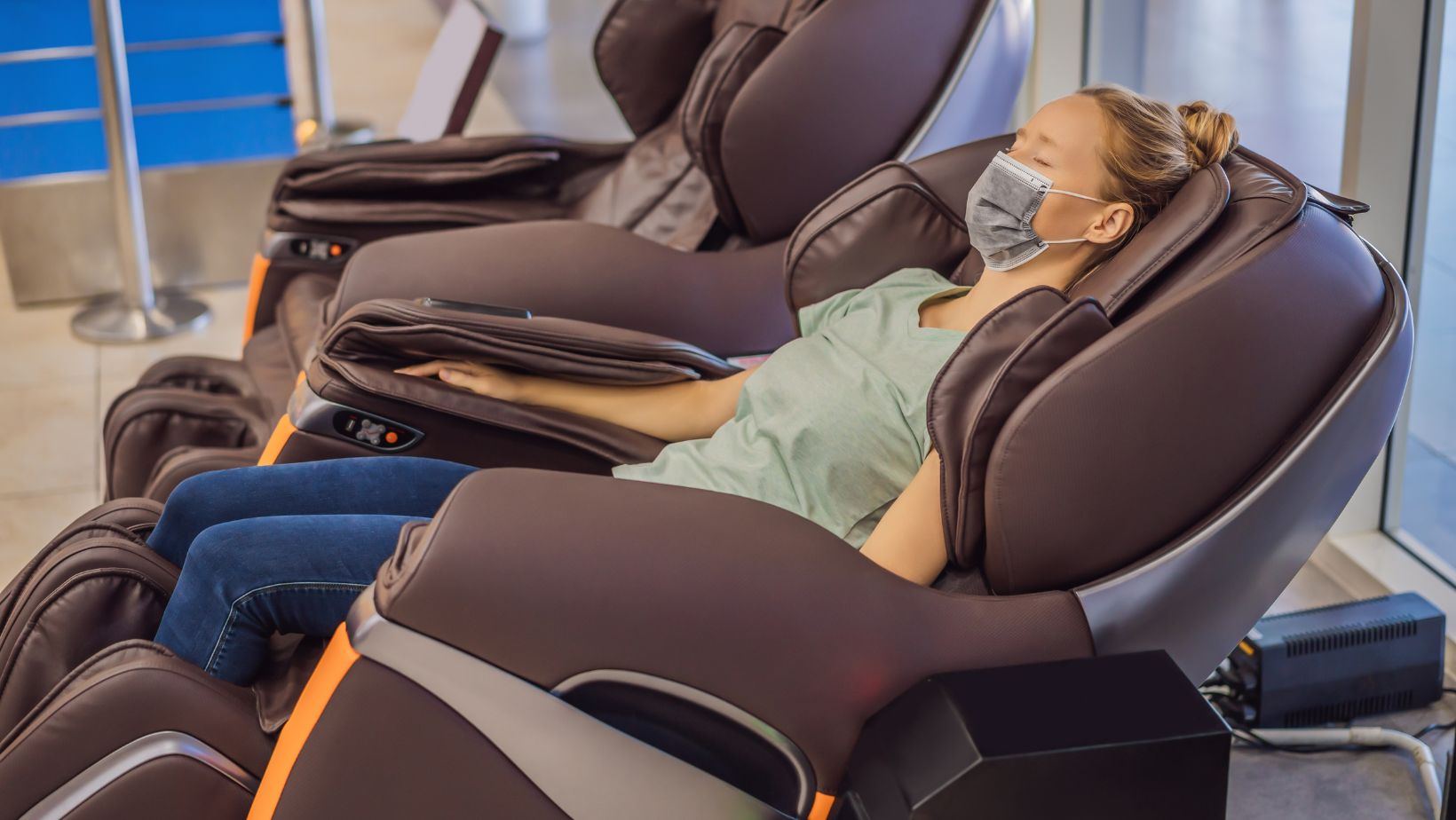
It also supports comfort preferences. Some people don’t like being touched by a stranger, even in a professional setting. Others have limited mobility, or they feel tired after travel. A chair can offer a private option that feels more accessible.
Long-term value, shared use, and what to check before you buy
Shared use is a major advantage. One chair can serve a couple, a household with older teens, or a multigenerational home. That said, value depends on real factors, not marketing claims. Frequency of use matters most, followed by durability and support.
Before you buy, check the practical details that decide whether the chair fits your home and your body:
- Room size and doorway clearance (chairs can be bulky, and delivery paths matter)
- Recline space (some chairs are “wall-hugging,” but still need room)
- User height range and weight limit (comfort depends on fit)
- Noise level (important for apartments and late-night use)
- Upholstery cleaning (wipeable surfaces save time)
- Warranty length, in-home service, and return policy (support matters more than fancy labels)
A safety note is also part of smart buying. If you are pregnant, recovering from surgery, or managing a condition such as blood clots or severe osteoporosis, consult a clinician before using strong massage or compression features.
Bringing it all together: choosing a modern massage chair with clear expectations
The benefits of a modern massage chair are straightforward when you keep them grounded: everyday physical comfort, easier stress relief at home, better sleep support for many users, and personalized control that makes the experience fit your body. The best results usually come from gentle, repeatable sessions, not extreme intensity.
If you want a simple next step, keep it practical: pick your top two goals, set a budget you can live with, measure your space (including doors and recline room), and test key programs if possible (especially neck, lower back, legs, and zero-gravity). When the chair feels comfortable and easy to use, consistency follows, and that’s where most of the real payoff lives.