

Investing in cryptocurrency often seems like taking your first steps into an unfamiliar but vibrant marketplace: exciting, volatile and offering much potential, but also fraught with uncertainty and dangers. Success stories inspire, yet scams, stolen funds and booms without substance are a constant risk. Both professionals and new investors have found success in crypto investing. Smart crypto investing begins by laying the right groundwork from the start.
From understanding crypto technology, picking your first wallet and mapping out your investment plan — this guide will walk you through the early days of crypto with clarity and realism.
Choosing The Right Cryptocurrencies: A Value-First Approach
An important step in beginning your crypto journey is to examine which currencies show the most promise. With thousands of coins in existence, making this decision becomes a challenge.
A smarter approach to building a crypto portfolio is to use CryptoGuGu that allow you to analyze coins from multiple perspectives, including their potential use cases, project health and current market movements. Platform brings transparency to coin analysis by factoring in metrics such as developer activity, on-chain data and token economics. It provides a solid foundation for investors who want to construct a portfolio grounded in facts, not hype. This data-driven approach also helps track key market metrics like ADA to EUR price or any other crypto, empowering users to make informed and confident investment decisions.
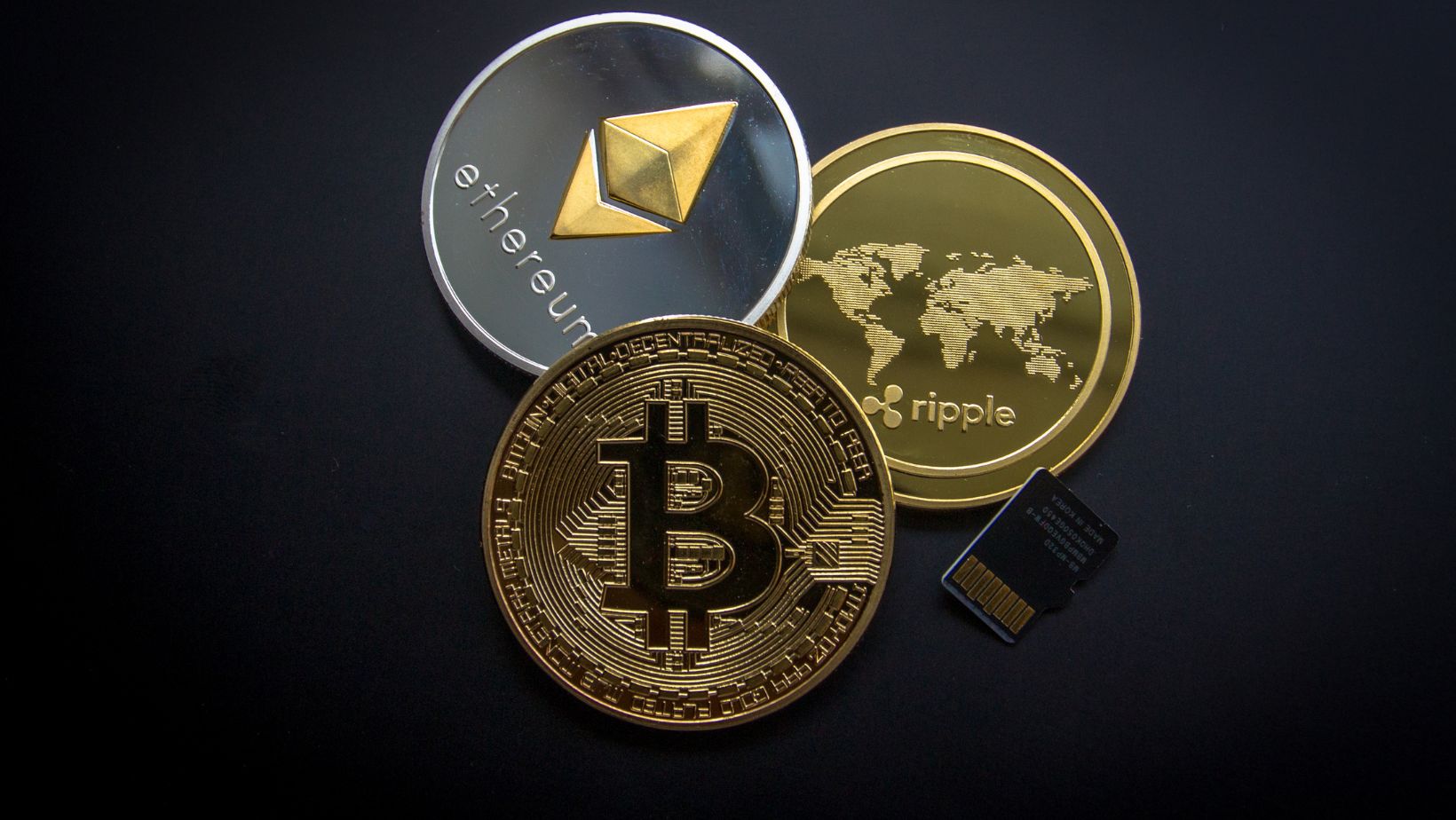
Examining cryptocurrencies in this way soon reveals that there are many tokens with only a brand name and promotional hype driving their value. Investors who want to maximize success look for assets backed by tangible utility, open source operations and significant following by the public or major players in the industry.
Here are a few things to consider:
- Does the project provide a practical solution to a present issue?
- Is the codebase active and open-source?
- Does the token’s supply adjust dynamically through burning, minting or a fixed cap?
- What collaborations and partnerships has the project been able to secure?
Introduction To Cryptography And Blockchain
Learning how cryptocurrencies operate requires familiarizing yourself with the fundamental technologies on which they are based: cryptography and blockchain.
A blockchain is essentially a decentralized and digital ledger that ensures the safety, transparency and unchangeability of stored information. Unlike databases controlled by a single entity, the blockchain is operated by multiple computers (nodes) in different locations instead. This design eliminates the need for intermediaries and enforces greater security.
Each set of transactions is bundled together in a “block” and protected using cryptography. After the network accepts a block as legitimate, it is added to the ledger of all previous transactions. Such an architecture is what ensures cryptocurrencies operate trustlessly and transparently.
Cryptography is the foundation for the security of your wallet and the ability to confirm transactions. Public-key cryptography gives you the ability to transact without disclosing your name and your private keys should be protected to ensure your funds stay secure. Learn more about pocket option copy trading strategies

Blockchain unlocks the ability to transfer and keep digital assets independently of any central authority. Blockchain technology greatly alters our perspective on ownership, value and trust on the internet.
Setting Up Your First Wallet And Crypto Exchange
After understanding what coins to include in your portfolio and how the underlying tech works, the next step is to get organized for some investments.
A crypto wallet is the place to store your digital assets and manage them online. There are two main types:
- Hot wallets: These are digital platforms that you can access through a compatible device and the internet. Hot wallets are simple to set up and suitable for new users.
- Cold wallets: These are physical devices or sheets of paper that aren’t connected to the internet, making them very safe but not always easy to access every day.
WASH BELOW
For your first steps, a hot wallet is a great start.
After that, you should choose where you want to buy your crypto. Using centralized exchanges (CEXs), you can simply purchase crypto by exchanging fiat currencies. You will need to understand decentralized exchanges (DEXs), as they are most helpful after you already have some crypto.
Ensure you turn on two-factor authentication (2FA) and don’t reveal your private keys or seed phrase to anyone.
Planning A Personal Crypto Investment Strategy
Purchasing crypto is only the beginning. Wise investments into education are important too.
One issue often seen with newcomers is that they think of crypto as a ticket to sudden riches. Successful investors act as if investing is a business, by planning their actions, controlling risks and thinking for the future.
Start by defining your objectives:
- Are you investing to diversify your portfolio?
- Are you focused on long-term success or short-term gains?
- How much of your portfolio can you afford to put at risk?
Then, create a reliable plan that you will follow. Using dollar-cost averaging (DCA), successful investors invest a fixed amount at fixed points in time, even if the market is fluctuating. It takes away the stress of trying to guess the market and helps stabilize how the prices fluctuate.
It is equally necessary to manage the risks you take. Always set aside some cash or stablecoins and do not invest more than you can risk losing in just one coin.
Learning And Adapting With The Crypto Landscape
The crypto market moves fast. New projects, stories and technologies appear each week. Being ahead requires you to adopt a mindset where you continue to learn.
You shouldn’t read whitepapers each day, but being informed could prevent you from investing in outdated trends.
Always monitor new changes in regulations. Legal clarity from governments around the world could influence how digital assets are invested.
In 2025, some of the key trends include:
- Real-world asset tokenization (RWA)
- Layer-2 scaling for Ethereum (e.g., Optimism, Arbitrum)
- Solutions for decentralized identity and privacy
- AI and blockchain integrations
Don’t attempt to catch every wave that comes your way. Pick some specific categories or areas and keep learning about them.