
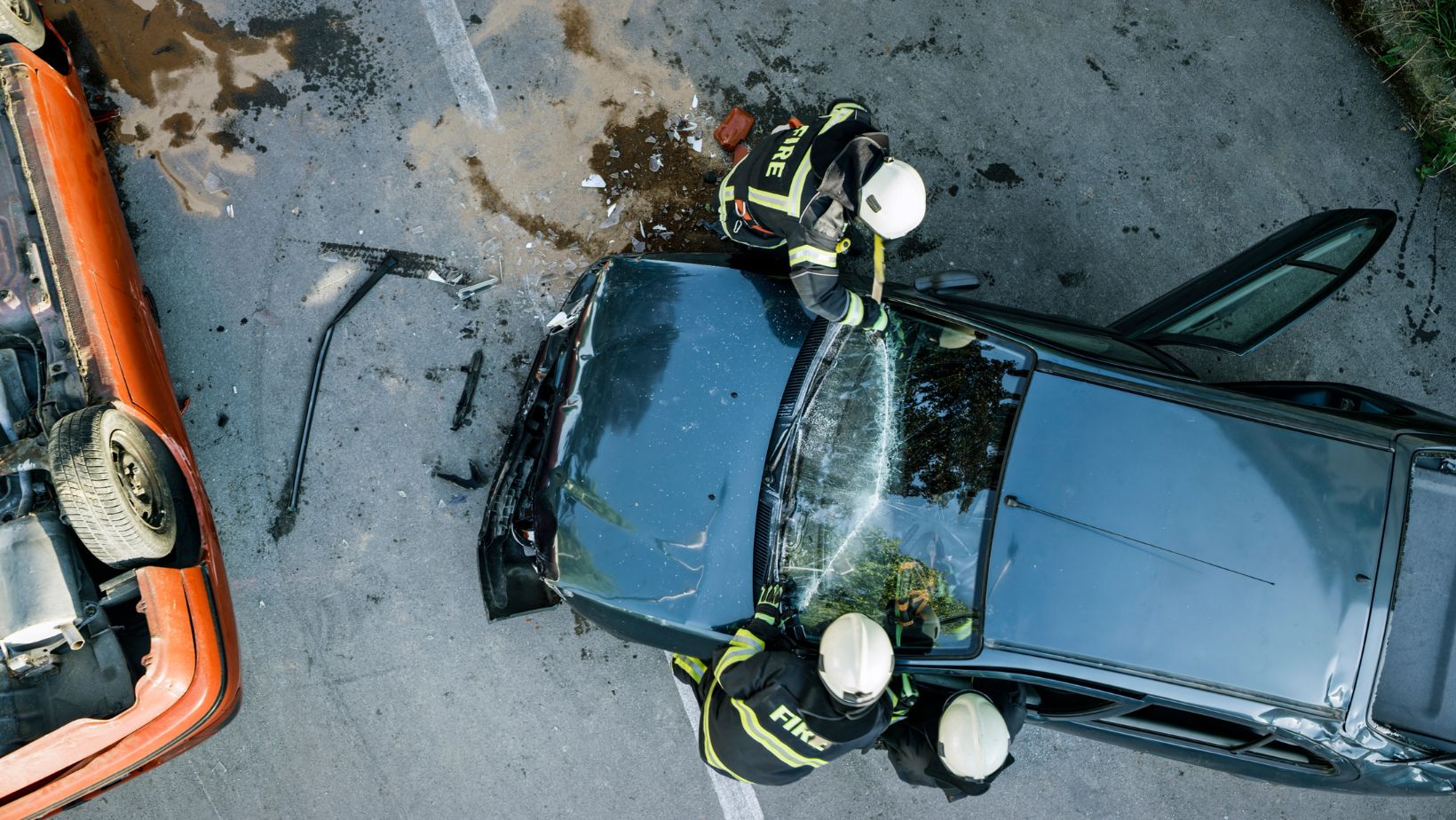
You’d think being in a car accident that wasn’t your fault would mean less stress, right? After all, you’ve done nothing wrong—so why should you bear the burden? Unfortunately, the reality is often very different. Non-fault accidents can quickly turn into a complicated mess, with unexpected hurdles, emotional stress, and time-consuming admin. So, what makes these incidents more complicated than they seem? Let’s take a look at why a non-fault accident can quickly become more of a problem than you might expect—and how you can handle it better when the worst happens.
The Burden of Proving Innocence
One of the main issues with non-fault accidents is that you still have to prove your innocence. It’s not as simple as telling your insurance company, “It wasn’t my fault.” You’ll need to gather evidence—photos, witness details, dashcam footage if available—and sometimes even wait for investigations to be completed. This process can be stressful and time-consuming.
If the other driver denies responsibility or tries to spin a different narrative, things get even more complicated. It’s not just about proving who’s at fault—it’s about protecting your reputation, your insurance, and your peace of mind. The stress of collecting the right evidence while trying to process the accident can quickly feel overwhelming.
Emotional Mental Health Toll
When you’re involved in a non-fault accident, the emotional and mental aftermath often gets overlooked. Yes, the car can be repaired, and the paperwork can eventually be sorted—but what about the anxiety and stress that linger long after the accident?
Many people find themselves hesitant to drive again, plagued with nervousness or flashbacks to the accident. You might not sleep well, replaying the incident in your head over and over. It’s not always easy to talk about these feelings, especially when people around you expect you to “just move on.” But the truth is, dealing with the emotional fallout from a non-fault accident can be just as difficult as dealing with the physical damage. If you want to learn more about what to do if you’re not to blame, click the link.
The “No-Fault” Label Can Be Misleading
The phrase “no-fault” might sound like you’re off the hook, but in reality, it can be a bit of a misnomer. Even though it wasn’t your fault, the experience can still have long-lasting effects. For instance, insurers may consider a non-fault accident as part of your driving record, which could affect your premiums. It doesn’t matter that you didn’t cause the accident—you might still feel the financial impact.
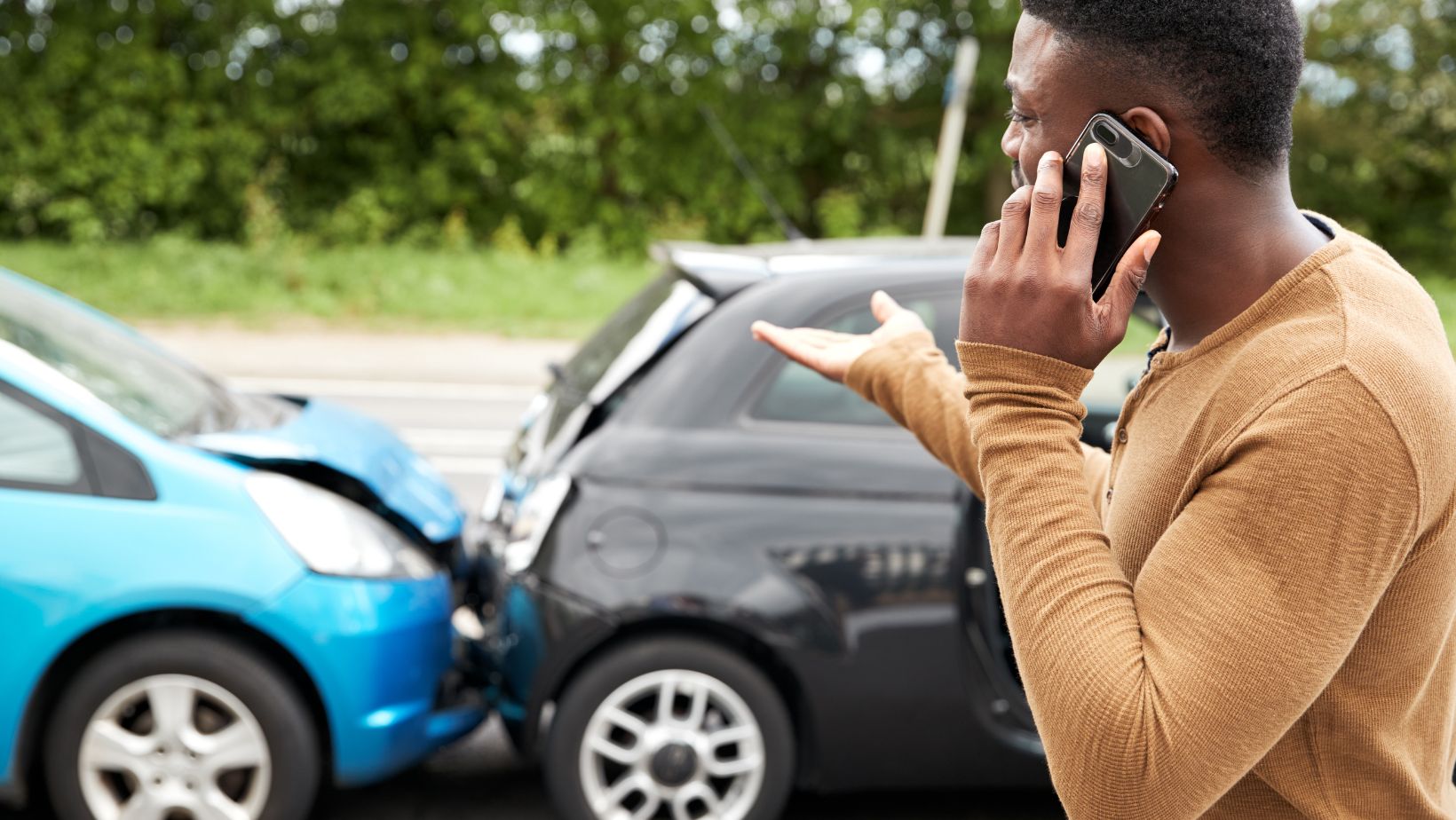
On top of that, if the other driver doesn’t pay their premiums or their insurer disputes the claim, you’re left waiting for resolutions that may not come as quickly as you expect. So, while being “not at fault” is a relief, it doesn’t always mean the whole situation will be wrapped up smoothly.
Dealing with Other People’s Reactions
One of the more frustrating aspects of a non-fault accident is how others respond. You might hear things like, “At least you’re okay” or “It’s just a car; it can be replaced.” While these comments are well-meaning, they can feel dismissive. The emotional impact of an accident isn’t always visible, and it’s easy for others to underestimate just how stressful the situation can be.
There’s also the pressure to bounce back quickly. People may expect you to return to normal life right away, but this pressure to move on can feel overwhelming. Everyone deals with trauma differently, and it’s important to give yourself time to heal—physically and mentally.
Figuring Out Whether You Have Been in a Non-Fault Accident
Accidents on the road happen in the blink of an eye. At first, it can be difficult to know what happened or who caused the crash. Indeed, most people immediately think that they did something in the lead-up to the accident. But before you jump to conclusions, there are some ways to figure things out. Let’s take a look at ways to see whether you’ve been in a non-fault accident.
Reflect on the Situation
Sometimes, you need time to really sit down and think about what’s happened. In the moment, you’ve had a fright, and adrenaline is rushing through your body. You need time to go through the situation step by step, figuring out what your actions were prior to the crash. Indeed, if you come to the conclusion that you were doing everything correctly, such as following traffic rules, this can mean you weren’t at fault. While it can be a blur to begin with, details will start to come back to you.
Look at the Evidence
Hopefully, you will have collected evidence from the scene. For example, this can be photos of the damage to the vehicles, as well as the road you were driving on. You might even have dashcam footage. This is all going to give you hints on what happened and whether the other driver is to blame. For instance, look at the damage to your car and who would have had to crash into whom.
Check Liability
There are some drivers who will admit straight away that they’re to blame for the incident. They understand that the crash results from their actions, and they want all of this to be over as soon as possible.

So, check whether the other driver has admitted liability. This is going to reassure you that your actions weren’t to blame for what happened on the road.
Conclusion
Even though a non-fault accident might seem like something you can easily brush off, the reality is far more complex. It’s not just about being innocent—it’s about navigating the stress, financial uncertainty, and emotional toll that often comes with the aftermath. So, if you find yourself in this situation, don’t let anyone make you feel like you should move on right away. Take your time, get the support you need, and handle the aftermath in your own way. After all, it’s not just your car that’s affected—it’s your peace of mind, too.