
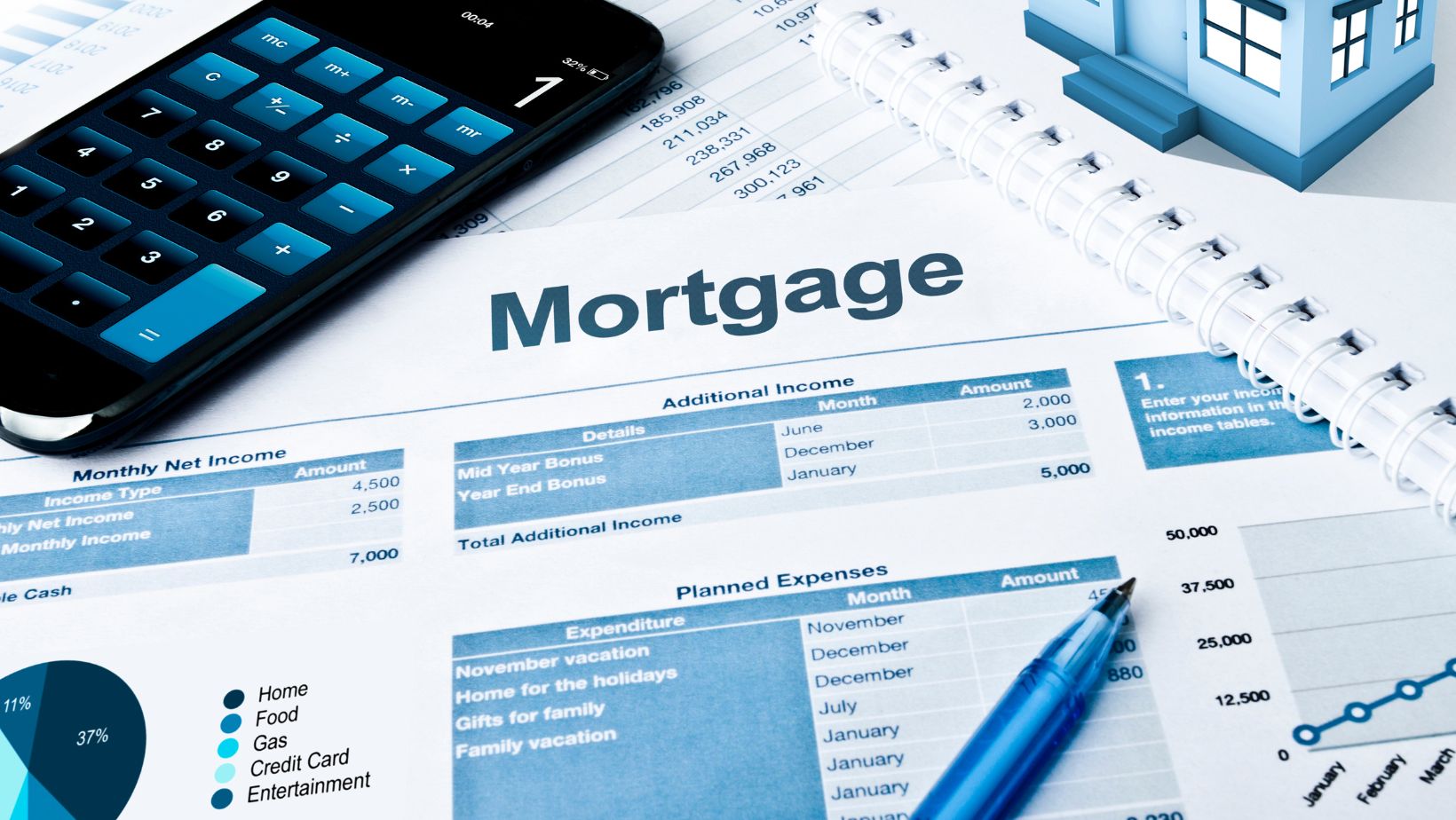
For many, owning a home is a key milestone, but navigating the mortgage process can be more complicated if you are self-employed. Unlike traditional employees with predictable salaries, self-employed people tend to face additional scrutiny when applying for a mortgage. That said, it is definitely possible to secure a mortgage as a self-employed borrower with the right preparation and understanding of the process.
Understanding the Challenges
Lenders typically prefer applicants with a steady, verifiable income. Salaried employees can provide payslips and employment contracts, which give lenders confidence in their ability to repay a loan. For self-employed individuals, income can fluctuate month to month, making it harder to demonstrate financial stability. Additionally, self-employed applicants often need to provide more documentation to prove income, which can make the process seem daunting.

Despite these challenges, lenders are well aware of the growing number of self-employed people and have tailored their products accordingly. Many offer mortgages specifically designed for those who work for themselves, provided they can show a consistent income over a period of time, usually two to three years.
Documentation Required
When applying for a mortgage as a self-employed person, documentation is key. Lenders generally ask for:
- Tax returns or SA302 forms: These show your declared income and are often required for the last two to three years.
- Business accounts: If you have a limited company, your accountant-prepared accounts can provide a clear picture of your business’s financial health.
- Bank statements: Personal and business bank statements help verify income consistency and show money flowing in and out of the business.
- Proof of ongoing contracts or clients: Evidence that you have steady work can reassure lenders that your income is likely to continue.
Being organized and having these documents ready can significantly improve your chances of mortgage approval.
Improving Your Chances
There are several steps self-employed borrowers can take to increase their likelihood of securing a mortgage. Maintaining a strong credit score is essential, as lenders will assess your overall financial stability. Reducing outstanding debt and saving for a larger deposit can also make your application more attractive. A larger deposit not only reduces the loan-to-value ratio but can also help you access better interest rates.
Working with a specialist mortgage broker who understands self-employed income is another smart strategy. These brokers can identify lenders who are more flexible and offer products suited to self-employed applicants. For example, using a trusted provider like Everest Mortgages can help navigate the complexities and increase your chances of approval.
Alternative Proof of Income Options
Some self-employed applicants may not have long-term accounts or may have irregular income streams. In these cases, lenders may accept alternative forms of income verification. For instance, contracts from repeat clients, letters from accountants confirming your business stability, or even invoices and payment histories can be considered.
Some lenders also look at the value of assets or savings as a way to assess your ability to make repayments. Being proactive in gathering and presenting these alternative proofs can demonstrate reliability and reassure lenders, widening the options available for self-employed borrowers.
Rounding Everything Up
While being self-employed may make the mortgage process more complex, it does not make it impossible. With careful planning, thorough documentation, and the support of experienced mortgage brokers, self-employed people can successfully secure a mortgage. Understanding what lenders require and presenting a clear picture of your income and financial health is the key to turning the dream of homeownership into reality.