
Homeownership has always been one of the most reliable ways to build wealth, but not every dollar spent on upgrades delivers a return at closing. Some renovations look impressive on paper yet fail to move the needle when an appraiser walks through the door. Others, often overlooked, can shift a buyer’s perception of a property within seconds of stepping onto the lot. Today’s buyers prioritize outdoor functionality, energy savings, and modern but timeless kitchens.
Outdoor Living Spaces
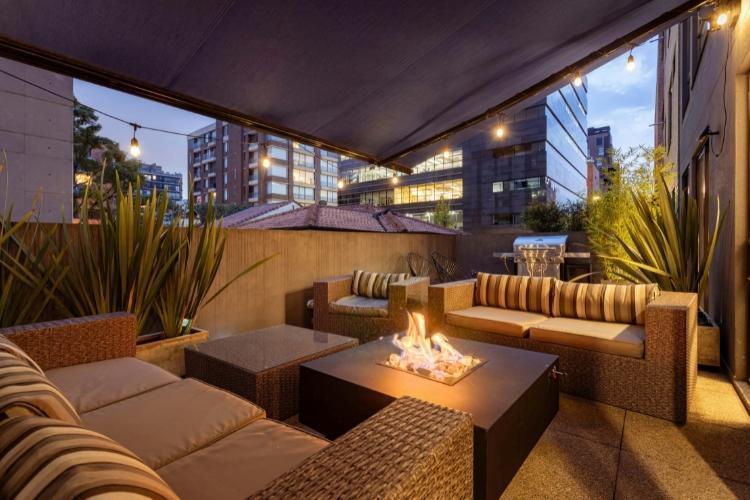
Outdoor spaces have gone from a bonus feature to a deciding factor for many buyers. A well-designed patio, deck, or backyard entertaining area extends the usable square footage of a home without the cost of a full addition. Buyers in warmer climates and temperate regions now expect some version of an outdoor living setup, and homes that deliver on this front tend to sell faster.
Permanence signals quality, and quality signals value. A concrete slab with a portable grill does not carry the same weight as a stone patio with built-in seating, lighting, and a fire feature.
Fire pits, in particular, have become a focal point of outdoor design. They anchor a seating area and extend the usability of a yard into cooler months. Buyers respond to that visual immediately. A copper or brass fire pit, for example, ages with a patina that adds character over time rather than looking worn. Brands like CopperSmith have built a reputation for handcrafted fire features that serve as both functional heating elements and design centerpieces, and that dual purpose is what gives them staying power in resale conversations.
Restrained Kitchen Renovations
Kitchens remain the single most scrutinized room during a home sale, but the era of the $80,000 gut renovation as a guaranteed return is over. Buyers appreciate updated kitchens, yet they also want to see spending that aligns with the home’s overall price point. Over-improving a kitchen in a mid-range neighborhood rarely translates to a proportional bump in sale price.
The upgrades that tend to perform best are targeted ones. Replacing outdated countertops with quartz, swapping old cabinet hardware for modern pulls, installing under-cabinet lighting, and upgrading to a quality range hood all create a refreshed look.
Appliance upgrades also carry weight, but only when they match the tier of the kitchen. A professional-grade range in a builder-grade kitchen looks out of place. Consistency across all finishes, fixtures, and surfaces tells buyers the homeowner paid attention to detail.
Energy Efficiency Improvements
Utility costs influence buying decisions more than they did a decade ago. Homes with documented energy efficiency upgrades give buyers confidence that their monthly expenses will stay manageable. This category includes insulation, windows, HVAC systems, and smart thermostats, but it also extends to water heaters, weatherstripping, and even landscaping choices that reduce irrigation needs.
What makes energy upgrades compelling from a resale perspective is their dual appeal. They reduce ongoing costs for the buyer and often qualify the home for green certifications or utility rebates, which can be highlighted in listing materials. A home marketed with verified efficiency improvements stands out in a crowded market.
Fire Features and Premium Outdoor Fixtures
Outdoor fire features deserve their own discussion beyond the general landscaping category because of how disproportionately they influence buyer perception. A standalone fire pit or fire table transforms a backyard into an entertaining destination.
The material choice here is significant. Steel fire pits are common and affordable, but they rust and degrade within a few seasons. Copper and brass alternatives hold up for decades and develop a natural finish that many homeowners find more appealing over time. CopperSmith offers handcrafted options in multiple configurations, from cylindrical to rectangular to octagonal, with solid brass burners designed for long-term performance.
Strategic Bathroom Updates
Bathrooms rank second behind kitchens in terms of buyer scrutiny. Full remodels can be expensive, but strategic updates often deliver comparable returns at a fraction of the cost. Replacing a dated vanity, installing a frameless glass shower enclosure, or adding a rainfall showerhead can modernize a bathroom.
Flooring is another high-impact, relatively low-cost update. Swapping vinyl or linoleum for porcelain tile changes the entire feel of the room. Heated flooring, once a luxury reserved for high-end homes, has dropped in price enough to be a viable addition in mid-range properties, and it consistently impresses during showings.
Neutral color palettes and clean lines tend to appeal to the broadest range of buyers. Bold tile patterns and statement walls can work in personal spaces, but for resale purposes, restraint tends to outperform personality.
Curb Appeal and First Impressions
A fresh coat of paint, a well-maintained lawn, updated house numbers, and a new front door can shift a buyer’s entire mindset before they step inside. Landscaping does not need to be elaborate, but it should look cared for. Overgrown hedges and cracked walkways suggest deferred maintenance, and buyers will mentally subtract from their offer accordingly.
Exterior lighting is an underrated upgrade. Path lights along a walkway, sconces flanking the front door, and accent lighting on architectural features create warmth and security. These are low-cost additions that photograph well for listings and make a strong impression during evening showings.
Conclusion
The common thread across every high-value renovation is intentionality. Upgrades that increase resale value are the ones that solve a problem, improve daily functionality, or create an emotional response in a buyer. Spending on features that align with current buyer expectations, from energy-efficient systems to outdoor fire features from brands like CopperSmith, positions a property to compete at the top of its price range.
Before committing to any renovation, homeowners should research comparable sales in their neighborhood, consult with a local real estate agent, and prioritize projects that bring the home in line with or slightly above neighborhood standards.