
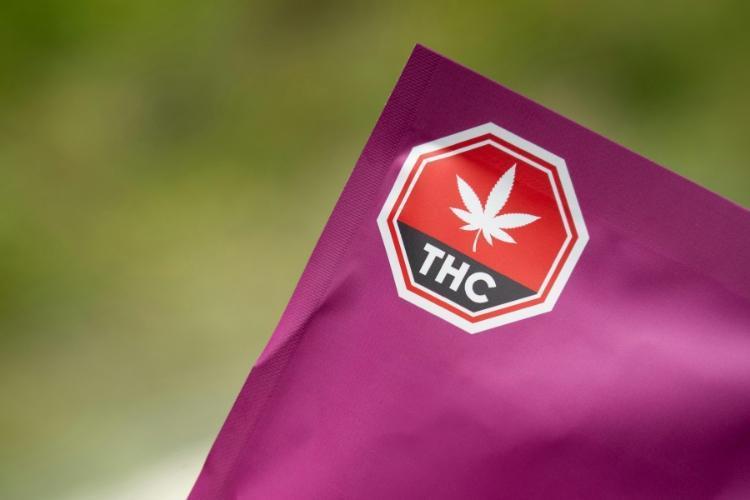
The legal cannabis industry has expanded far beyond dispensaries and specialty retailers. Its influence now extends to packaging design, consumer branding, retail layouts, and even investor conversations about emerging markets.
Businesses across multiple industries are paying attention to how cannabis companies attract customers, navigate regulation, and create lifestyle-focused experiences in highly competitive environments.
For entrepreneurs and investors, this shift offers more than cultural insight. It provides a clear example of how fast-moving industries adapt to changing consumer expectations.
Companies operating in legal cannabis markets have had to build trust, establish recognizable identities, and stand out without relying on traditional advertising methods. As a result, many of their strategies are now influencing sectors far outside cannabis itself.
From minimalist packaging trends to community-driven branding, the ripple effects are becoming difficult to ignore.
Why Cannabis Branding Looks Different From Traditional Retail
Unlike many mainstream industries, cannabis brands developed under strict advertising limitations. In many regions, companies cannot market products the same way alcohol, fashion, or technology brands do. This forced businesses to rethink how they communicate with customers.
Packaging became one of the few spaces where companies could shape identity and customer perception. Instead of relying on loud advertising campaigns, brands focused on subtle design choices, clean visuals, and storytelling through product presentation.
This shift has influenced industries well beyond cannabis. Wellness brands, beverage startups, and even luxury goods companies have adopted similar approaches, favoring:
- Minimalist packaging with plain colors
- Eco-conscious materials
- Lifestyle-focused messaging
- Limited-edition product drops
- Community-oriented brand identities
The cannabis sector also pushed retailers to think more carefully about customer experience. Stores became less transactional and more educational, borrowing elements from high-end retail and hospitality spaces.
The Rise of Lifestyle Marketing in Emerging Industries
One of the most notable trends in legal cannabis is the shift away from product-first marketing. Instead of focusing solely on technical details, brands increasingly sell a feeling or identity.
This strategy resonates strongly with younger consumers, who often prioritize values, aesthetics, and experience when making purchasing decisions. Companies in fitness, skincare, and food sectors now regularly position themselves around lifestyle aspirations rather than product specifications alone.
Cannabis businesses helped normalize this approach because they had to create emotional connections without depending heavily on traditional advertising. Rather than promoting products directly, many brands focused on themes like creativity, relaxation, wellness, or independence.
Investors have started paying attention to businesses that successfully build this kind of emotional loyalty. Strong community engagement often translates into repeat customers and higher long-term brand recognition, even in crowded markets.
Packaging Innovation Is Becoming a Competitive Advantage
Packaging regulations in legal cannabis markets are often strict, requiring child-resistant features, warning labels, and product transparency. While these rules create challenges, they have also encouraged innovation.
Companies have experimented with ways to balance compliance and appealing design without making packaging feel overly clinical. As a result, businesses in other regulated industries are now adopting similar strategies.
For example, many startups now treat packaging as part of the customer experience rather than a purely functional necessity. Subscription companies, premium food brands, and wellness products increasingly use thoughtful packaging to create stronger first impressions and improve retention.
Some businesses entering adjacent markets have also recognized the growing demand for curated product selection and product transparency. Seed retailers are one example. Companies like Grower’s Choice Seeds have adapted to consumer expectations by emphasizing product clarity and streamlined online experiences.
For those researching premium genetics and cultivation options, products from Grower’s Choice Seeds fit naturally into the broader shift toward specialized consumer education and presentation.
The larger takeaway for entrepreneurs is simple: packaging now plays a direct role in brand perception, customer trust, and long-term loyalty.
Retail Spaces Are Becoming Experience-Driven
Cannabis retail also accelerated the rise of experience-driven shopping. Many dispensaries moved away from traditional convenience-store layouts and instead designed spaces that felt welcoming, modern, and educational.
This trend mirrors changes happening across retail more broadly. Customers increasingly expect businesses to provide more than products alone. They want environments that feel curated and informative.
Several retail trends connected to cannabis stores are now appearing elsewhere:
Education-Based Selling
Consumers often seek guidance before making purchases, particularly in industries such as wellness, technology, or specialized products. Staff training and personalized recommendations have become more valuable than aggressive sales tactics.
Streamlined Store Design
Open layouts, organized displays, and simplified menus reduce friction during the buying process. Cannabis retailers embraced this approach early because product regulations could otherwise overwhelm customers.
Digital Integration
Online ordering, inventory transparency, and mobile-friendly shopping experiences are now expected in many sectors. Cannabis companies invested heavily in digital convenience to compete in restricted markets.
Businesses that combine physical retail with strong digital experiences are increasingly attracting investor interest because they adapt more easily to changing consumer behavior.
What Investors and Entrepreneurs Can Learn
The legal cannabis sector offers a useful case study for anyone building a modern brand. Companies operating in the industry faced unique obstacles, including regulation, banking limitations, and evolving consumer perceptions. Despite those barriers, many businesses found creative ways to establish loyal audiences.
Several lessons stand out for entrepreneurs and investors:
- Strong branding matters even in highly regulated industries
- Customer experience often shapes retention more than pricing alone
- Packaging can influence purchasing decisions significantly
- Community engagement builds trust faster than aggressive promotion
- Adaptability remains essential in fast-changing markets
These lessons apply far beyond cannabis. Startups in cryptocurrency, wellness, and alternative consumer products face similar challenges when introducing unfamiliar ideas to mainstream audiences.
Investors also recognize that cultural shifts often create new business opportunities before traditional industries fully respond. Watching how cannabis companies evolve can provide insight into broader consumer and retail trends developing across the economy.
Final Thoughts
Legal cannabis has become more than a niche market. Its influence now reaches branding strategy, retail design, packaging innovation, and consumer engagement across multiple industries. Businesses that once dismissed the sector are now borrowing many of its ideas to connect with modern audiences more effectively.
For entrepreneurs, the biggest takeaway may be the importance of building identity and trust in crowded markets. Consumers increasingly respond to brands that feel authentic, educational, and aligned with their lifestyles. Companies that understand this shift are often better positioned to adapt as markets continue evolving.
As industries become more experience-driven and customer-focused, the strategies pioneered within legal cannabis may continue shaping retail and branding trends for years to come.